
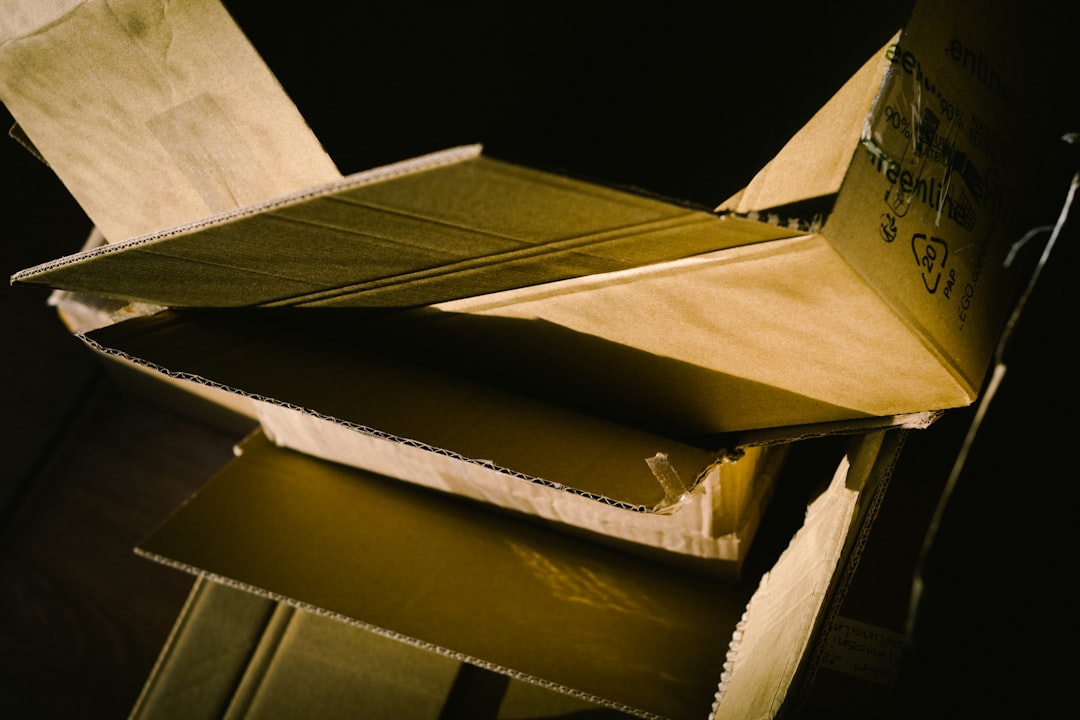
For direct-to-consumer meal kit companies, the unboxing experience is the final, critical touchpoint of the brand promise. It's also where physics and logistics conspire to create a common, costly failure point: the soggy box. When protein ice packs, essential for food safety, begin to sweat in transit, the resulting condensation can compromise corrugated integrity, leading to box failure, product damage, and customer complaints.
A Southern California-based meal kit provider, shipping premium proteins and fresh produce statewide, was facing exactly this challenge. Despite using industry-standard 32 ECT, 200# test, C-flute corrugated boxes, they were experiencing a 15% customer complaint rate directly linked to moisture damage and box failure. The culprit was the condensation from their high-performance ice packs, which were necessary to maintain a safe temperature window for 48-hour shipments but created a humid microenvironment inside the sealed box.
Traditional solutions like wax coatings or polyethylene laminates would lock out moisture but introduce new problems: they render the packaging non-recyclable and non-compostable, conflicting with the brand's sustainability commitments. They also add significant weight and cost. The company needed a corrugated solution that could contain the condensation, maintain box strength for 48 hours, and still align with their environmental values. They brought this engineering problem to Rox Packaging.
1. Diagnosing the Failure: More Than Just a Wet Box
The first step was a forensic analysis of the failure mode. We examined returned boxes and reviewed the client's supply chain data. The issue wasn't a simple leak, it was a systemic condensation challenge.
The Physics of Condensation in a Sealed Environment
Inside a sealed corrugated box, the air has a limited capacity to hold water vapor (its relative humidity). As the temperature fluctuates during transit, cooling at night in a truck yard, warming on a delivery truck, the air's moisture-holding capacity changes. When warm, moist air from the product environment contacts the cooler corrugated walls, the vapor condenses into liquid water. Standard corrugated, even with good wet strength additives, has a wicking action. The paper fibers absorb this moisture, which rapidly degrades the compression strength (BCT) of the box.
Key Performance Indicators (KPIs) for the Solution
From this analysis, we defined the non-negotiable specs for the new packaging:
- Moisture Resistance: Must prevent water absorption and fiber wicking for a minimum of 48 hours under high-humidity conditions.
- Strength Retention: Box compression strength (BCT) must not degrade by more than 15% after 48-hour simulated condensation exposure.
- Compostability/Recyclability: The treatment must not hinder the box's acceptance in mainstream recycling streams or industrial composting facilities.
- Food Safety: Any coating must be FDA-compliant for indirect food contact.
- Operational Fit: Must run efficiently on standard case erectors and sealers without requiring new equipment.
2. The Solution: Engineering a Wax-Free, Polymer-Coated Corrugated
Rox's packaging engineers proposed moving from a standard 32 ECT, C-flute board to a treated board with a specialized, wax-free polymer coating.
Specifying the Board and Coating
We maintained the structural foundation the client was familiar with but upgraded its performance profile.
| Component | Original Spec | Engineered Solution | Rationale |
|---|---|---|---|
| Board Grade | 32 ECT, 200# Test, C-Flute | 44 ECT, 275# Test, C-Flute | Provides a higher baseline compression strength (BCT) to offset any minor coating application variables and handle heavier loads. |
| Moisture Treatment | Standard Sizing (Rosin/Alum) | Wax-Free Polymer Coating (FDA-compliant) | Forms a microscopic barrier on the paper fibers, dramatically reducing water absorption and vapor transmission without creating a plastic film. |
| Recyclability | Fully Recyclable | Fully Recyclable | The polymer coating is designed to break down in the repulping process used at paper mills, meeting the ISRI P-11 standard for recyclability. |
| Compostability | Compostable | Industrially Compostable | The coating is certified to break down in an industrial composting environment within a defined timeframe. |
The Testing Protocol: Simulating the 48-Hour Journey
Before committing to a full production run, we conducted rigorous in-house and third-party testing to validate the solution.
- Condensation Chamber Test: Samples of both the old and new board were placed in a humidity chamber at 95% RH and 90°F for 48 hours. We measured weight gain (water absorption) and post-conditioning ECT.
- Box Compression Test (BCT): Finished boxes were conditioned in the high-humidity environment and then crushed to measure retained strength.
- Real-World Pilot: The client ran a 4-week pilot program, shipping 500 kits per week in the new boxes alongside their standard boxes to comparable delivery zones.
The results were conclusive. The polymer-coated boxes showed a 92% reduction in water absorption. More importantly, BCT retention after 48 hours of humidity exposure was over 87%, compared to approximately 55% for the untreated boxes. In the pilot, customer complaints related to soggy boxes or structural failure dropped to under 2%.
3. Implementation and Supply Chain Integration
Switching to a treated board requires coordination but doesn't necessitate a wholesale operational change.
Ordering and Lead Time Considerations
Polymer-coated board is a treated substrate, not a separate box style. For the client, this meant their existing box CAD designs required no changes. The lead time for treated board is typically 3-5 business days longer than for standard 32 ECT stock, as it involves an additional coating pass at the corrugator. This was planned into their inventory cycle. For procurement managers, the key is forecasting this slight lead time adjustment and consolidating orders to pallet-scale quantities (MOQ 1,000+ units) to maintain economic efficiency.
Impact on Packaging Line Operations
A primary concern was line performance. Would the coated boxes behave differently on automatic case erectors and tape sealers? In deployment, the boxes performed identically to the previous stock. The coating did not affect fold endurance or cause adhesive (tape or glue) failure. The client's operations team implemented the new boxes with zero downtime or machine adjustment.
4. Results: Quantifying the Fix for Procurement and Operations
The success of this engineering project was measured in hard metrics relevant to plant managers and procurement leads.
- Customer Complaint Rate: Reduced from 15% to <2% for moisture-related issues.
- Product Damage/Waste: A corresponding reduction in credited or replaced shipments due to box failure.
- Sustainability Goals Maintained: The boxes remained both recyclable (per ISRI guidelines) and industrially compostable, supporting the brand's marketing and ESG reporting.
- Total Cost Impact: While the per-unit cost of the treated board is higher than standard 32 ECT, the total cost of fulfillment decreased. The reduction in damaged product, customer service labor, and replacement shipments created a positive ROI. The exact economics are product-specific, which is why we route all costing to a custom RFQ form.
This case underscores a core principle in wholesale packaging: the cheapest box per unit is rarely the cheapest box per successful delivery. Specifying for performance often optimizes the total cost of ownership.
5. Is a Moisture-Resistant Treatment Right for Your Operation?
Not every shipment requires a polymer-coated box. Here’s a quick decision matrix for procurement and operations teams evaluating their own needs.
| Your Product/Scenario | Likely Need | Recommended First Step |
|---|---|---|
| Fresh, chilled, or frozen foods with ice packs/gel packs | High | Evaluate current damage rates. Consider a 44 ECT+ board with polymer coating. |
| High-humidity environment storage or transit (e.g., coastal regions) | Medium-High | Test standard vs. treated board in your worst-case shipping lanes. |
| Non-perishable goods, dry environment | Low | Standard 32 ECT or 200# test board is likely sufficient. Focus on right-sizing your box for damage prevention. |
| Heavy items (>40 lbs) in humid conditions | High | A combination of higher board grade (44+ ECT) and moisture treatment may be critical for BCT retention. |
If your scenario points to a medium or high need, the next step is technical specification. Our packaging engineers can guide you through the trade-offs between board grade (ECT, Mullen), flute profile (B-flute for crush resistance, E-flute for a smoother surface), and coating options.
6. Partnering for Packaging Engineering
Solving complex packaging challenges like condensation management requires a partner with deep material science knowledge and a focus on your operational reality. At Rox Packaging, built on 25 years of expertise, we approach every quote as an engineering brief. We serve California's manufacturers, CPG brands, food and beverage companies, and 3PLs by providing pallet-scale, specification-driven corrugated solutions.
For readers with lower-volume needs (under 1,000 units), we recommend our sister brand, Build A Box Online, for short-run, no-MOQ custom boxes.
For procurement managers, plant managers, and operations leads: If moisture, temperature, or other environmental factors are impacting your shipment integrity and customer satisfaction, the solution starts with a specification. Bring your challenge, your damage reports, and your sustainability goals to our team.
Begin the engineering conversation by submitting your requirements through our RFQ form. You can also call our Fullerton headquarters at (888) 406-1610 to discuss your application. Let's specify the box that solves the problem, not just contains the product.
Explore our technical capabilities across industries like food, beverage, and CPG, or learn more about our sustainability approaches including FSC-certified and recycled-content boards.