
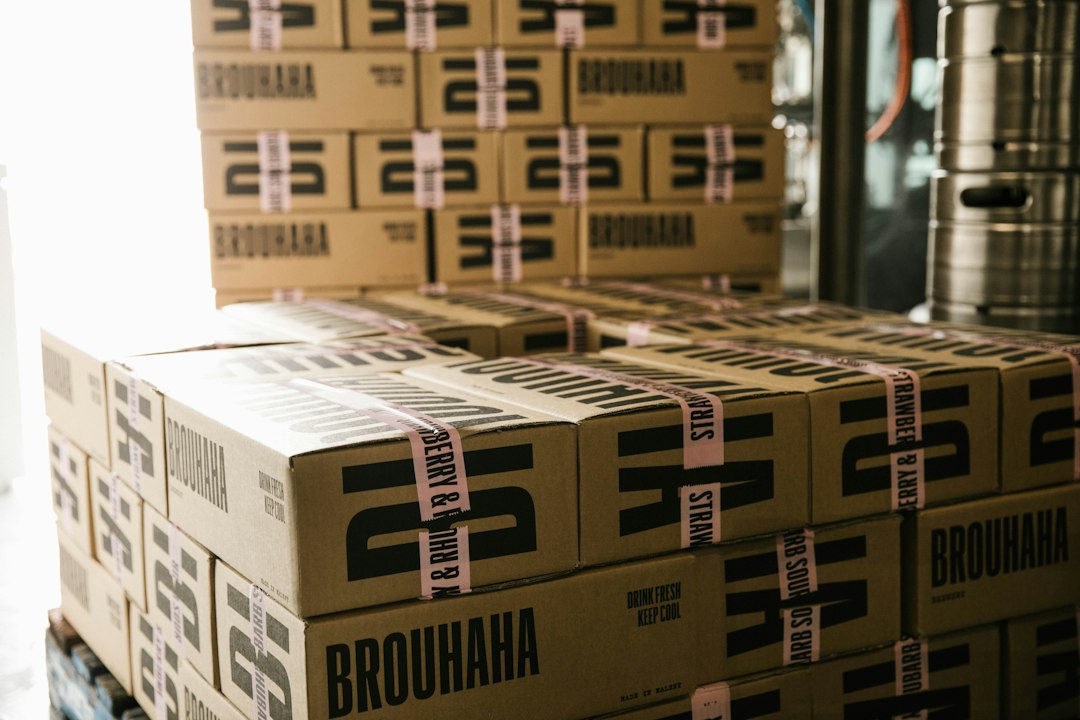
For procurement managers and operations leads at California bakeries, 3PLs, and CPG manufacturers, packaging high-fat, high-moisture artisan goods like croissants presents a specific technical challenge. The goal is straightforward: deliver a pristine, unmarked product to the retail shelf. The obstacle is equally clear: oil and butterfat migration from the pastry into the corrugated box, leading to unsightly stains, compromised structural integrity, and potential brand damage. This evaluation moves beyond generic 'grease-resistant' claims to examine the material science behind barrier treatments and board construction for pallet-scale wholesale orders.
1. The Grease Migration Challenge: A 72-Hour Timeline
A typical distribution cycle for a wholesale bakery involves packaging, palletizing, transit, and staging at a distribution center or retail backroom. Over this 72-hour period, ambient temperature fluctuations and the inherent warmth of freshly baked goods accelerate fat migration. The issue is not surface contact, but wicking. The capillary action within the paper fibers of untreated corrugated board pulls oils from the product, leading to saturation that weakens the board's edge crush strength (ECT) and creates visible translucency (greaseproofing).
2. Corrugated Board as the First Line of Defense
Before applying any coating, the foundation matters. The flute profile and combined board weight determine initial oil holdout time and compression strength.
| Board Specification | Typical Use | ECT Rating (lb/in) | Mullen Burst (psi) | Grease Holdout (Untreated) |
|---|---|---|---|---|
| 150# C-Flute Single Wall | Lightweight retail cartons | 32 | 200 | Very Low (< 6 hours) |
| 175# BC-Flute Double Wall | Heavy baked goods, multi-packs | 44 | 275 | Low (6-12 hours) |
| 200# E-Flute Single Wall | High-quality print surfaces | 32 | 180 | Moderate (12-24 hours) |
| 275# EB-Flute Double Wall | Premium protective shipping | 55 | 350 | High (24-48 hours) |
Heavier board grades with tighter flute structures (like E-flute) provide a denser fiber network, physically slowing oil penetration. For croissants, a double-wall construction (like BC or EB flute) is often the starting point for wholesale shipments exceeding 1,000 units, as it offers superior stacking strength for palletized loads and a thicker barrier between product and the outside of the box.
3. Evaluating PFAS-Free Barrier Coating Technologies
With regulatory and consumer focus on eliminating per- and polyfluoroalkyl substances (PFAS), effective grease-resistant treatments have evolved. Performance is measured by the Kit Test (TAPPI T559), which rates holdout against a blend of turpentine and n-heptane. A higher Kit rating indicates better resistance.
3.1. Polymer Coatings (Acrylic, PET, PLA)
These water-based or extrusion-applied coatings create a continuous film on the board surface.
- Performance: Excellent grease and oil holdout (Kit 12+). Good moisture barrier.
- Recyclability: Compatible with standard paper recycling streams. The polymer film detaches during the pulping process.
- Consideration: Can affect the scoring and folding characteristics of the board, requiring precise dieline engineering.
3.2. Fluorochemical-Free Repellents
New chemistry formulations designed to mimic the oil-repellency of PFAS without the persistent environmental chemicals.
- Performance: Very good grease holdout (Kit 8-10). Effective for most bakery fats over a 3-day window.
- Recyclability: Fully compatible and biodegradable within the recycling process.
- Consideration: Performance can vary based on the specific fat composition and acidity of the product.
3.3. Clay/Calcium Carbonate Coatings
These mineral-based coatings fill the pores between paper fibers, creating a smoother, less absorbent surface.
- Performance: Moderate grease resistance (Kit 5-7). Suitable for lower-fat items or very short shelf-life cycles.
- Recyclability: Excellent, as the minerals are a normal component of papermaking.
- Consideration: Adds minimal weight but can increase dusting during conversion (die-cutting).
4. A Decision Matrix for Procurement Teams
Selecting the right combination involves balancing performance, sustainability, and total cost of ownership (which includes potential product losses from damaged packaging).
| Priority | Recommended Approach | Rationale |
|---|---|---|
| Maximum Protection for Long-Distribution | 275# EB-Flute Double Wall + Polymer Coating | Highest ECT and Kit rating. Ideal for cross-state shipping or products with extremely high butterfat content. |
| Balanced Performance & Sustainability | 200# E-Flute Single Wall or 175# BC-Flute + Fluorochemical-Free Repellent | Strong grease holdout for a 3-day cycle, fully recyclable, and maintains a good printing surface for brand graphics. |
| Cost-Optimized for Short Local Loops | 175# BC-Flute + Clay Coating | Sufficient for local delivery where product is on shelf within 24 hours. Maintains recyclability and pallet strength. |
For detailed specifications on our corrugated board grades, visit our product lineup.
5. Sustainability and End-of-Life: The Recyclability Imperative
For California brands, the end-of-life story of packaging is a procurement criterion. The critical question is whether a treated box can go into the standard mixed-paper recycling bin. The good news is that all the treatments listed above are designed to be compatible with the paper recycling stream. During the pulping process, barrier coatings are either washed away or filtered out. It is essential to verify that any treatment supplier provides a Statement of Recyclability. Rox Packaging sources board from suppliers certified by the Forest Stewardship Council (FSC), ensuring responsible fiber sourcing. Learn more about our material choices on our sustainability page.
6. Specifying and Sourcing Your Solution
As a wholesale supplier with a 1,000+ unit MOQ, Rox Packaging engineers solutions based on your specific product dimensions, fat content, distribution timeline, and pallet configuration. The process is quote-based because these variables directly influence the material specification.
- Provide a Sample: Send a sample of your product (or a simulant with equivalent fat/ moisture content) and your current box.
- Define the Cycle: Specify the maximum time from packaging to final retail unpacking.
- Test: We can conduct holdout tests with different board and treatment combinations.
- Prototype: A small production run of the proposed specification allows for real-world distribution testing before committing to the full order.
The most efficient path to a formal specification and quote is to submit your requirements through our RFQ form. This ensures our engineering and procurement teams have all the necessary data to model the optimal solution for your volume.
Rox Packaging operates from our facility at 4080 N Palm St, Ste 803, Fullerton, CA 92835, serving manufacturing and distribution centers across California. For immediate questions, you can call us at (888) 406-1610, but for detailed project specifications and pricing, please use the RFQ form.